Retinal Laser Treatment In Auckland
Expert retinal laser treatment to preserve and restore vision
Laser treatment plays an important role in preserving and restoring vision. Many retinal conditions can be treated effectively with laser therapy, avoiding or reducing the need for surgery. Laser treatment is a precise, minimally invasive procedure performed in our consulting rooms using modern retinal laser technology.
Depending on your eye condition, laser treatment may be used to seal a retinal tear, reduce the risk of retinal detachment, treat complications of diabetes, manage certain retinal vascular conditions, or restore vision affected by clouding after cataract surgery.
Every treatment is tailored to your individual eye condition following a comprehensive examination and retinal imaging.
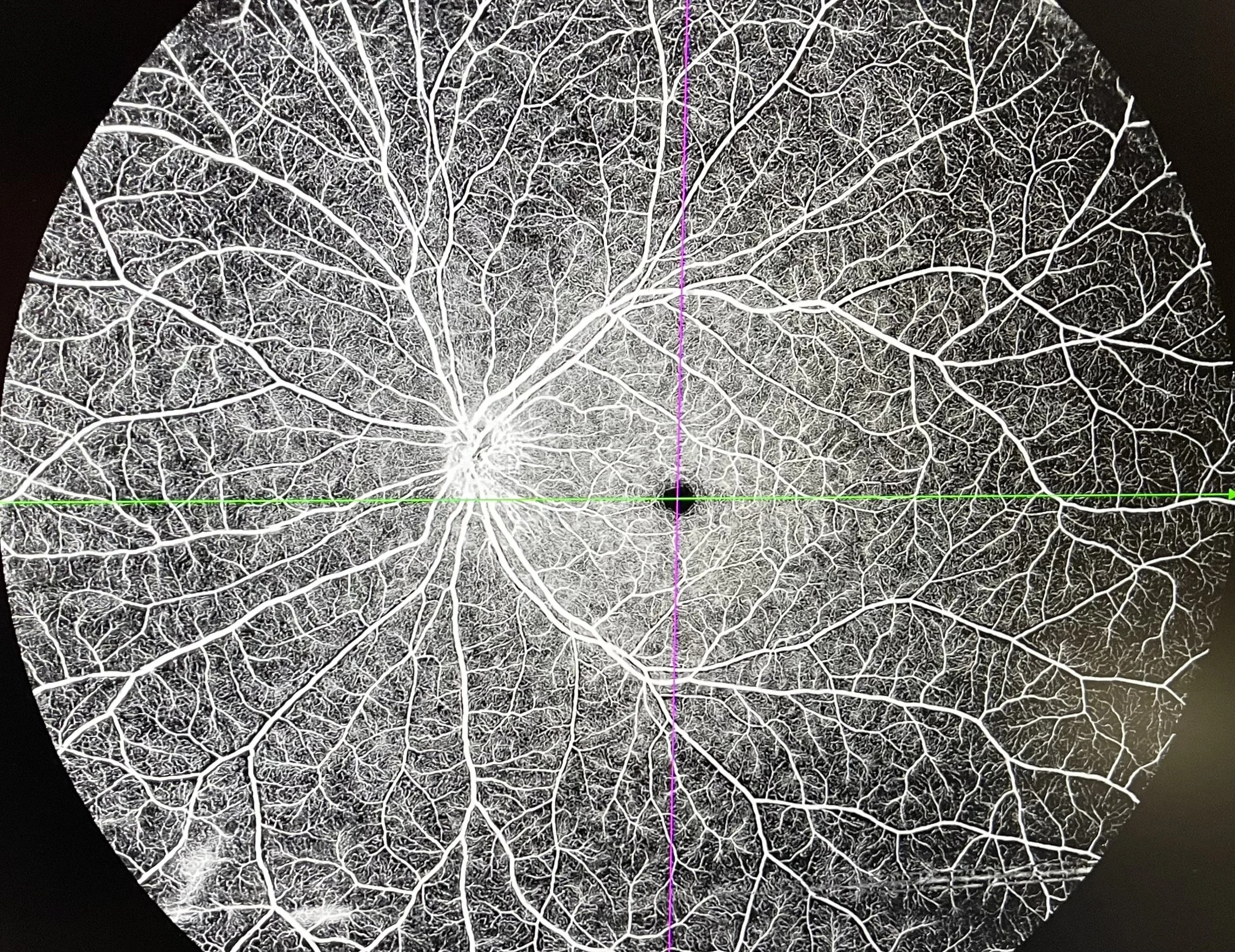
Laser Treatments Offered
Laser Retinoplexy
Treatment for retinal tears and retinal holes
A retinal tear develops when the vitreous gel inside the eye pulls on the retina. If left untreated, fluid can pass under the retinal tear and cause a retinal detachment, which is a sight-threatening emergency.
Laser retinopexy creates a ring of tiny laser burns around the base of the retinal tear. As the retina heals, it creates a permanent adhesion between the retina and the underlying tissue, greatly reducing the risk of retinal detachment.
Laser retinopexy may be recommended for:
✓ Retinal tears
✓ Symptomatic retinal holes with surrounding fluid or traction
✓ High-risk retinal breaks
✓ Selected areas of lattice degeneration
The procedure is usually completed in 10–20 minutes under local anaesthetic eye drops.
Panretinal Photocoagulation (PRP)
Treatment for advanced diabetic eye disease
Diabetes can damage the blood vessels in the retina. In more advanced stages, abnormal new blood vessels may develop and bleed, threatening permanent vision loss.
Panretinal photocoagulation (PRP) uses laser treatment to reduce the retina's oxygen demand, helping these abnormal blood vessels shrink and lowering the risk of serious complications.
PRP is commonly recommended for:
Proliferative diabetic retinopathy (PDR)
Selected patients with severe non-proliferative diabetic retinopathy (NPDR)
Treatment may be completed over one or more sessions depending on the amount of laser required.
Although peripheral vision and night vision can be mildly affected, the aim of treatment is to preserve useful central vision and prevent severe vision loss.
Barrier Laser
Selected localised retinal detachments
In carefully selected patients, laser treatment can be used to surround a very small retinal detachment before it progresses.
Barrier laser creates a protective ring of scar tissue around the detached area, helping to prevent further spread.
Not every retinal detachment is suitable for laser treatment. During your consultation, Graeme will determine whether observation, laser treatment or retinal surgery is the safest option.
Focal or Grid Macular Laser
Treatment for selected macular conditions
Some retinal conditions affecting the macula can benefit from carefully targeted laser treatment.
Unlike retinal laser used for tears, focal laser treats small leaking blood vessels or abnormal retinal tissue while minimising damage to surrounding healthy retina.
Laser may be appropriate for selected patients with:
Diabetic macular oedema (DMO)
Chronic central serous chorioretinopathy (CSCR)
Certain retinal vascular abnormalities
Not every patient with these conditions requires laser treatment. In many cases, eye injections or observation may be more appropriate. Graeme will discuss the most suitable treatment for your individual condition.
YAG Laser Capsulotomy
Restoring clear vision after cataract surgery
Months or even years after cataract surgery, some patients notice their vision gradually becoming cloudy again.
This is usually caused by clouding of the thin capsule that sits behind the artificial lens. This can sometimes feel as if the cataract has returned, but a cataract cannot recur after it has been removed.
A YAG laser creates a small opening in the cloudy capsule, allowing light to pass through normally again.
Common symptoms include:
• Blurred of hazy vision
• Glare, particularly when driving
• Difficulty reading
• Reduced contrast
Treatment usually takes only a few minutes, and many patients notice clearer vision soon afterwards.
Laser for Retinal Vascular Conditions
Selected retinal blood vessel disorders
Laser treatment can also be helpful for some less common retinal conditions.
These include:
Retinal arterial macroaneurysm (RAM)
Coats disease
Selected retinal telangiectasias
Other localised retinal vascular abnormalities
Laser aims to seal leaking blood vessels, reduce fluid within the retina, and prevent further damage to vision where appropriate.
If you are unsure which laser treatment may be suitable for you, please get in touch to book a consultation with Graeme to discuss your laser treatment options.
What To Expect
Before Treatment
Your eye(s) requiring treatment will be dilated with eye drops and numbed using local anaesthetic drops.
A special contact lens is then gently placed on the surface of the eye using a lubricating gel, allowing the laser to be delivered precisely to the retina.
During Treatment
You will sit at a laser microscope similar to the one used during your eye examination.
Most patients notice bright flashes of light during treatment.
Some retinal laser treatments cause brief discomfort, sometimes described as similar to an ‘ice-cream brain freeze’, but this rapidly settles after the laser treatment has been delivered.
After Treatment
Your vision will remain blurred for several hours because of the dilating drops. Immediately after treatment, your vision may appear darker or have a pink or purple hue. This is a normal effect of the laser and resolves within a short period of time.
Most patients return home shortly afterwards.
You should arrange for someone else to drive you home.
Normal daily activities can usually be resumed the following day.
Benefits of Laser Treatment
✓ Prevents many retinal tears progressing to retinal detachment, which requires surgery
✓ Minimally invasive
✓ Performed without general anaesthetic
✓ Usually completed within minutes
✓ Rapid recovery
✓ No hospital admission
✓ Proven long-term treatment
Risks
All ophthalmic laser procedures carry some risks, although serious complications are exceedingly uncommon.
Potential risks include:
• Small areas of reduced or altered vision (scotoma) with more extensive laser treatment
• Swelling within the retina
• Need for further laser treatment
• Progression to retinal detachment despite successful laser
• Rare bleeding or retinal damage
Your individual risks will be discussed during your consultation.
Why Choose Graeme?
Graeme is a vitreoretinal surgeon with expertise in the diagnosis and treatment of retinal disease.
Every patient undergoes a detailed retinal examination using modern imaging technologies, allowing treatment decisions to be based on the individual characteristics of the retina rather than a one-size-fits-all approach.
Where laser treatment is appropriate, procedures are performed using contemporary retinal laser systems with the aim of preserving vision while minimising disruption to everyday life.
If surgery or observation is a better option, this will be discussed clearly so you can make an informed decision.
If you have experienced flashes, floaters, growing shadows in your vision, or blurred vision following cataract surgery, early assessment is important.
A comprehensive retinal examination can determine whether laser treatment is appropriate and help prevent permanent vision loss.
Book an consultation with Graeme today.

Related Conditions
Retinal Tears, Posterior Vitreous Detachment, Retinal Detachment, Floaters, and Cataract Surgery.